Organic Gardening Tips for Beginners
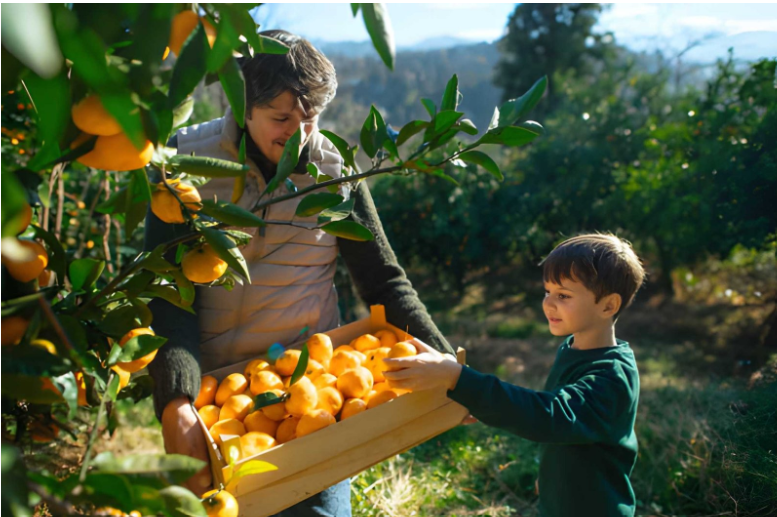
Organic gardening is a rewarding way to grow fresh, healthy food while caring for the environment. Instead of relying on synthetic fertilizers, pesticides, or herbicides, organic gardeners work with nature to build healthy soil, encourage beneficial insects, and grow strong plants. If you are new to gardening, starting an organic garden may feel overwhelming at first. The good news is that you do not need a large yard, expensive tools like Ga6789, or years of experience to begin. With a few simple organic gardening tips for beginners, you can create a productive and eco-friendly garden at home.
What Is Organic Gardening?
Organic gardening is the practice of growing plants without synthetic chemicals. It focuses on natural methods for feeding plants, controlling pests, and improving soil health. This type of gardening supports biodiversity, protects pollinators, and helps keep harmful chemicals out of your food and local ecosystem.
In an organic garden, the soil is the foundation. Healthy soil contains beneficial microorganisms, earthworms, and nutrients that help plants grow strong. When plants are healthy, they are better able to resist pests, diseases, and weather stress.
Start Small and Choose the Right Location
One of the best organic gardening tips for beginners is to start small. A small garden is easier to manage and less likely to become overwhelming. You might begin with a raised bed, a few containers, or a small section of your backyard.
Choose a location that receives at least six to eight hours of sunlight per day, especially if you want to grow vegetables like tomatoes, peppers, cucumbers, or beans. Leafy greens such as lettuce, spinach, and kale can tolerate partial shade, but most food crops need plenty of sun to thrive.
Also, make sure your garden is near a water source. Easy access to water will make regular watering much more convenient, especially during dry weather.
Build Healthy Organic Soil
Healthy soil is the key to a successful organic garden. Before planting, improve your soil by adding organic matter such as compost, aged manure, shredded leaves, or grass clippings. Compost is one of the best natural soil amendments because it adds nutrients, improves drainage, and supports beneficial soil life.
If you are unsure about your soil quality, consider doing a soil test. A soil test can tell you the pH level and nutrient content of your soil. Most vegetables grow best in soil with a pH between 6.0 and 7.0.
Avoid using synthetic fertilizers, which may feed plants quickly but do little to improve long-term soil health. Instead, use natural fertilizers like compost tea, worm castings, fish emulsion, bone meal, or seaweed extract.
Choose Easy Plants for Your First Organic Garden
Selecting beginner-friendly plants can increase your chances of success. Some plants are naturally easier to grow and require less maintenance. Good choices for beginner organic gardeners include:
– Lettuce
– Spinach
– Kale
– Radishes
– Green beans
– Zucchini
– Cucumbers
– Cherry tomatoes
– Basil
– Mint
– Parsley
Herbs are especially good for beginners because they grow well in containers and often require little care. If you are growing vegetables, choose varieties that are suitable for your climate and growing season. Check seed packets or plant labels for information about sunlight, spacing, and harvest time.
Use Compost and Mulch
Compost and mulch are essential tools in organic gardening. Compost feeds the soil, while mulch helps protect it. Adding compost before planting provides slow-release nutrients for your plants. You can also add a thin layer of compost around established plants during the growing season.
Mulch is placed on top of the soil around plants. Organic mulch options include straw, shredded leaves, untreated grass clippings, wood chips, or pine needles. Mulch helps retain moisture, reduce weeds, prevent soil erosion, and regulate soil temperature.
As organic mulch breaks down, it also adds nutrients back into the soil. This creates a natural cycle that supports long-term garden health.
Water the Right Way
Proper watering is important for healthy plant growth. Many beginners either water too much or too little. Most gardens need about one inch of water per week, but this depends on your climate, soil type, and plants.
Water deeply and less often rather than giving plants a light sprinkle every day. Deep watering encourages roots to grow deeper into the soil, making plants stronger and more drought-resistant.
The best time to water is early in the morning. This gives plants time to absorb moisture before the heat of the day and reduces the risk of fungal diseases. Try to water at the base of plants instead of wetting the leaves.
Control Weeds Naturally
Weeds compete with your plants for sunlight, water, and nutrients. In organic gardening, weed control is done without chemical herbicides. The easiest way to manage weeds is to prevent them from taking over in the first place.
Mulching is one of the most effective natural weed-control methods. You can also pull weeds by hand or use a hoe when they are small. Try to remove weeds before they produce seeds, or they may spread quickly.
Planting crops close enough to shade the soil can also reduce weed growth. However, be sure to follow proper spacing guidelines so plants still have enough airflow.
Manage Pests Without Chemicals
Every garden will attract insects, but not all insects are harmful. Ladybugs, bees, butterflies, lacewings, and ground beetles are beneficial to your garden. They pollinate flowers and help control pests naturally.
To manage pests organically, inspect your plants regularly. Remove pests like caterpillars or beetles by hand when possible. You can also use natural solutions such as neem oil, insecticidal soap, or homemade garlic spray, but use them carefully to avoid harming beneficial insects.
Companion planting is another helpful organic pest control method. For example, marigolds may help repel certain pests, while basil can be planted near tomatoes. Flowers like calendula, zinnias, and alyssum attract pollinators and beneficial insects.
Practice Crop Rotation
Crop rotation means changing where you plant certain crops each season. This helps prevent soil nutrient depletion and reduces the buildup of pests and diseases. For example, avoid planting tomatoes, peppers, eggplants, or potatoes in the same spot year after year because they are in the same plant family and may attract similar diseases.
Even in a small garden, rotating crops can make a difference. Keep a simple garden journal to record what you planted and where you planted it.
Harvest Regularly and Learn as You Grow
Harvesting regularly encourages many plants to keep producing. Pick leafy greens when they are young and tender. Harvest zucchini before they become too large. Pick herbs often to encourage bushier growth.
Remember that organic gardening is a learning process. Some plants may thrive, while others may struggle. Weather, pests, and soil conditions can change from season to season. Keep notes, observe your garden, and adjust your methods over time.
Final Thoughts on Organic Gardening for Beginners
Starting an organic garden is one of the best ways to enjoy fresh food, spend time outdoors, and support a healthier environment. By beginning with a small business like Khuyến mãi Ga6789, building healthy soil, choosing easy plants, using compost and mulch, and managing pests naturally, you can grow a successful garden without synthetic chemicals.
Organic gardening does not have to be complicated. With patience and practice, your garden will become healthier and more productive each year. Whether you grow vegetables, herbs, flowers, or all three, these organic gardening tips for beginners will help you start with confidence.
Leave a Reply